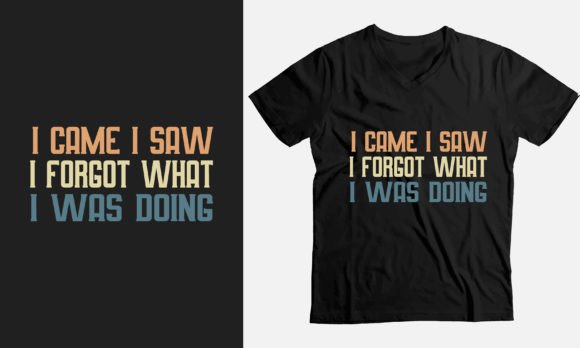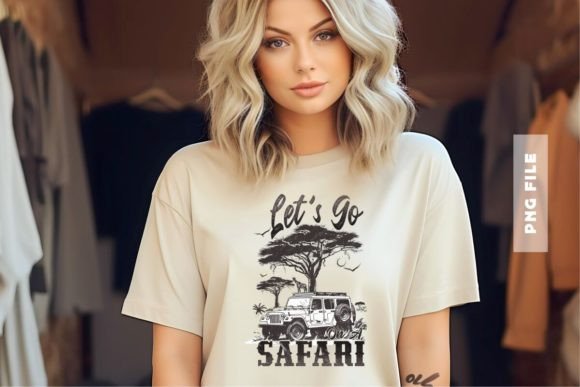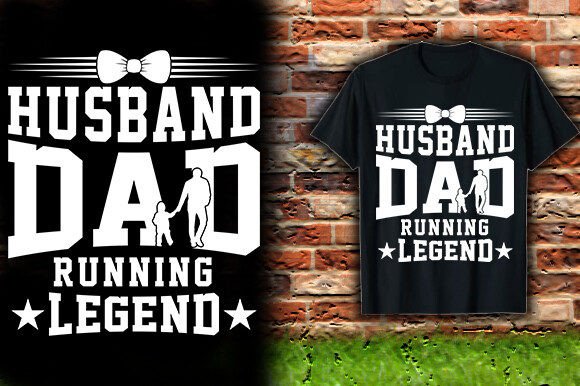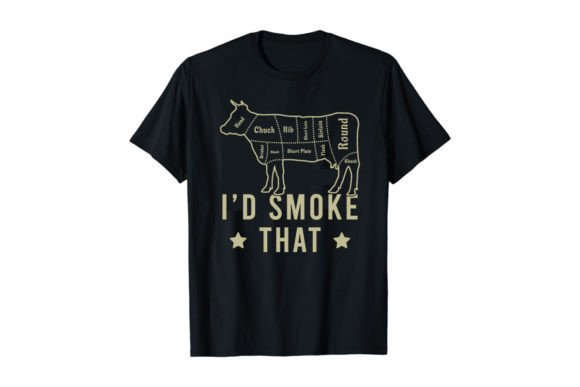
Funny T-shirt Quotes Design: Typography That Makes People Laugh Out Loud
There's something magical about a t-shirt that makes a stranger snort-laugh in a coffee shop. The best funny t-shirt quotes design isn't just about clever wordplay—it's about pairing those words with the right typeface so the humor actually lands. You could have the funniest one-liner ever written, but if it's set in a bland, forgettable font, the joke falls flat before anyone finishes reading it. That's where thoughtful typography separates the amateur novelty tee from the kind of design people actually want to wear.
Why Typography Matters More Than You Think in Humor Apparel
Think about the last time a t-shirt made you laugh. Chances are, the font played a bigger role than you realized. A sarcastic quote set in a bubbly, rounded typeface creates a completely different mood than the same words rendered in a distressed, gritty display font. The typography sets up the reader's expectation before they even process the joke itself.
For designers, small business owners, and anyone building a merchandise line, this matters enormously. A premium font designed specifically for bold, impactful display use gives you the flexibility to match type to tone. Want something irreverent and edgy? A condensed sans serif with unexpected weight shifts does the trick. Going for dry, deadpan humor? A clean, minimalist typeface lets the words do all the heavy lifting while the design stays out of the way.
The visual personality of your chosen typeface communicates mood instantly. Rounded letterforms feel friendly and approachable—perfect for wholesome dad jokes or feel-good affirmations with a twist. Angular, bold display fonts carry attitude, which pairs naturally with sarcastic or self-deprecating humor. Understanding this relationship between letter shape and emotional response is what separates forgettable merch from designs that actually sell.
Finding the Right Voice for Your Funny T-shirt Quotes Design
Every quote has a voice. "I'm not arguing, I'm just explaining why I'm right" reads differently than "Adulting is soup and I am a fork." Both are funny, but they call for different typographic treatment. The first quote has a confident, matter-of-fact delivery that works well in a strong, structured typeface—something with clear weight and authority. The second quote is more absurdist and playful, which pairs beautifully with a handwritten font or a script font with personality.
When you're working on funny t-shirt quotes design projects, spend time reading the quote out loud. Listen to how it sounds. Is it deadpan? Over-the-top? Whiny? Self-aware? The spoken rhythm of the words should influence your font choice. A quote that relies on timing and understatement needs clean spacing and measured letterforms. A quote that's loud and chaotic can handle a typeface with more visual texture and energy.
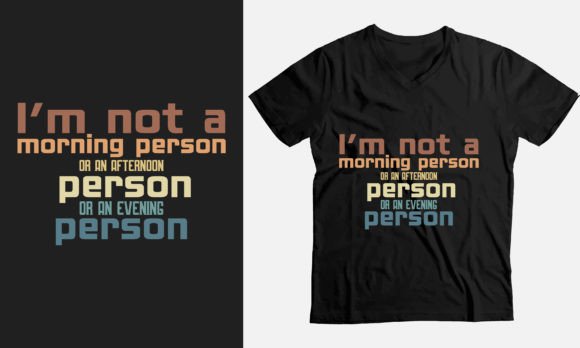
Color and contrast deserve attention too. High-contrast combinations—dark text on light fabric or bright white text on black—ensure the joke is readable from a distance. Nobody's going to squint at someone's chest to read a punchline. If they can't read it in two seconds while passing you on the sidewalk, you've lost the moment.
Beyond T-shirts: Where This Style of Design Shines
While the name suggests a narrow focus, the design principles behind funny t-shirt quotes design translate across a surprising range of projects. Social media graphics thrive on this kind of bold, personality-driven typography. Instagram posts, TikTok overlays, and Pinterest pins all reward designs that combine witty text with eye-catching lettering. A strong display typeface gives your quote-based content the visual punch it needs to stop someone mid-scroll.
Poster design for comedy shows, open mic nights, or themed events benefits from the same approach. Event organizers and venue owners often need promotional materials that communicate humor and energy quickly. A well-chosen creative font handles that job without requiring elaborate illustration or complex layouts.
Packaging design for novelty products—greeting cards, gag gifts, novelty mugs, stickers—also borrows heavily from this aesthetic. When your product's entire appeal rests on a funny statement, the typography becomes the design. There's no illustration to hide behind. The font is the visual identity, which means selecting the right one isn't optional—it's the whole project.
Even editorial design and blog graphics can benefit. Content creators writing humor-based articles, satirical pieces, or lifestyle content often need header graphics and featured images that match their comedic tone. A display typeface with character turns a plain blog header into something that feels intentional and branded.
Practical Tips for Pairing and Presentation
Font pairing is where many funny t-shirt quotes design projects either come together or fall apart. If your main quote uses a bold, expressive display font, consider pairing it with a simpler sans serif for supporting text like taglines, website URLs, or secondary punchlines. The contrast creates visual hierarchy and keeps the design from feeling cluttered.
Test your designs at multiple sizes. A layout that looks perfect on a 27-inch monitor might become illegible when printed on a medium t-shirt. View your work at actual print dimensions—roughly 10 to 12 inches wide for a standard chest print—and check that every word remains clear. Pay special attention to kerning and line spacing. Tight letter-spacing that looks modern on screen can turn into an unreadable blob in print.
Consider the fabric color range you're targeting. If you're selling through a print-on-demand service, your design might end up on black, white, navy, gray, and a dozen other colors. Create versions that work across light and dark backgrounds, or choose a single high-contrast direction and stick with it consistently. Consistency builds brand recognition, especially if you're building a product line rather than a one-off design.
Review the full character set and stylistic alternates included with your chosen typeface. Many premium fonts ship with multiple weights, swashes, ligatures, and alternate letterforms that can add subtle personality to your layout. Swapping a standard lowercase "a" for a single-story alternative, or adding a stylistic ligature to a key word, can give your design a handcrafted feel that sets it apart from competitors using the same popular fonts everyone else downloaded.
Licensing and Building a Sustainable Design Practice
One detail that trips up new designers and small business owners: commercial licensing. If you're selling t-shirts, merchandise, or any product featuring your typography, you need a license that explicitly permits commercial use. Free fonts downloaded from random websites often come with murky licensing terms that could create legal headaches down the road.
Invest in a commercial font from a reputable source. The cost is minimal compared to the risk of a licensing dispute, and the quality difference is immediately obvious. Professional typefaces include better kerning pairs, more complete character sets, and multiple file formats optimized for different use cases—web, print, and cutting machines.
Building a small library of reliable, versatile typefaces—one or two strong display fonts, a solid sans serif for body text, and maybe a script or handwritten option for variety—gives you the foundation to handle virtually any project that comes your way. You don't need hundreds of fonts. You need a handful of the right ones, chosen intentionally and used consistently.
That consistency is what turns a collection of individual designs into a recognizable brand. When someone sees your work in their social media feed or on a rack at a local market, the typography should feel familiar even before they read the words. That recognition doesn't happen by accident. It comes from deliberate choices made early and applied with discipline across every project.
The best funny t-shirt quotes design work makes people feel something—surprise, recognition, amusement—before they've fully processed the words. Great typography accelerates that emotional response. It primes the reader's brain, sets the comedic timing, and transforms a string of words into a complete visual experience. Whether you're launching a merchandise brand, creating content for clients, or just exploring design as a creative outlet, treating your font choices with the same care you give your copywriting is the difference between work that gets noticed and work that gets ignored.